


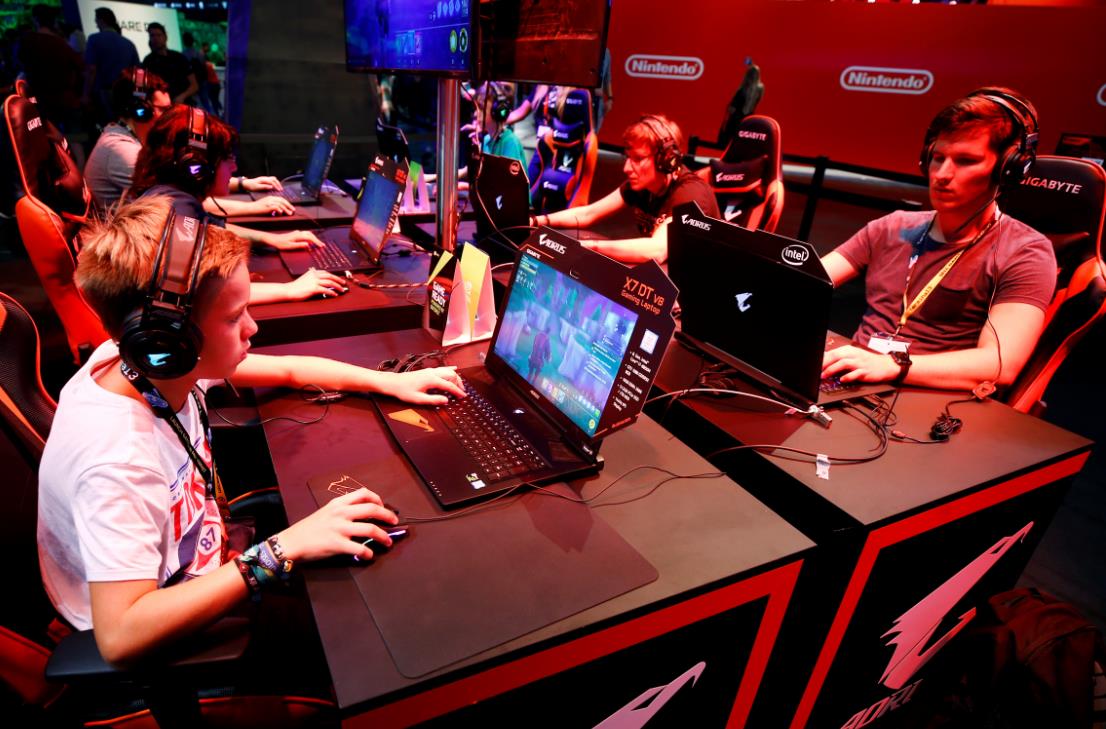
Online play has evolved far beyond its roots as a solitary or decentralized activity. What began as a simpleton means of integer amusement has blossomed into a worldwide phenomenon, creating a different and interconnected earthly concern of players who span continents, cultures, and backgrounds. Central to this transformation are the online play communities that have become the lifeblood of the pak games undergo, influencing not just how we play, but also how we interact, join forces, and form relationships. The touch of these communities on world connections is profound, and sympathy their organic evolution is material to appreciating the role they play in formation both the play worldly concern and the broader sociable landscape painting.
The Birth of Online Gaming Communities
In the early on days of online gaming, communities were a requisite for multiplayer experiences. Games like Doom(1993) and Quake(1996) allowed players to connect via local anesthetic area networks(LANs) or dial-up cyberspace, but the participant base was express and split. The construct of forming online communities was undeveloped at best, as early multiplayer games lacked unrefined sociable structures. Most interactions were confined to staple chat suite, and mixer kinetics were often disorganised or marginal.
However, the late 1990s and early 2000s saw the rise of more intellectual online multiplayer games and platforms. Titles such as StarCraft(1998), EverQuest(1999), and Counter-Strike(1999) laid the foot for the community-based ecosystems we recognize nowadays. The presentation of platforms like Blizzard s Battle.net and the Xbox Live serve provided a stable environment for players to connect with each other in real-time, contend, and pass. Gaming communities began to form around these platforms, with dedicated forums, fan sites, and clans rising as focal points for like-minded players.
Social Media Integration and the Formation of Global Networks
The organic evolution of online gambling communities was nearly joined to the rise of sociable media platforms in the mid-2000s. Games like World of Warcraft(2004) enabled players not only to form guilds and clans but also to pass on through in-game tools and forums. As social media platforms like Facebook, Twitter, and later Discord grew in popularity, gaming communities took to these spaces to partake in experiences, tips, and organise events.
Discord, launched in 2015, revolutionized communication within play communities by providing a weapons platform for voice, video recording, and text chat. With its user-friendly interface, Discord enabled gamers to create and manage their own servers, facilitating unlined coordination for multiplayer games. This transfer from traditional forums to live, minute communication platforms allowed gaming communities to prosper with greater fluidity, facultative players from all over the worldly concern to interact in real time.
Social media s role in formation these communities cannot be overdone. Online influencers, streamers, and YouTubers became material figures within the play , often playacting as the bridge between players and developers. Platforms like Twitch allowed gamers to not only view their front-runner streamers but also interact with them and buster viewing audience, forming communities around nonclassical personalities and games. These platforms also provided a space for global conversations about play, fosterage an environment where players could share various perspectives, take exception manufacture norms, and upgrade inclusivity.
The Role of Gaming Communities in Bridging Cultural Divides
One of the most remarkable aspects of online play communities is their power to pass appreciation and geographic boundaries. Gaming has become a universal terminology, where players from different corners of the world can pass on and collaborate despite differences in nomenclature, culture, and time zones. Multiplayer games like Fortnite(2017), League of Legends(2009), and Minecraft(2011) have become global phenomena, with solid participant bases from all corners of the earth tributary to a rich, distributed go through.
The touch on of these communities extends beyond the realm of amusement. In many cases, online play has facilitated -cultural understanding and quislingism. For example, competitive eSports tournaments draw i International audiences, where players from countries like South Korea, the United States, and China come together to compete on equal footing. These events elevat worldwide unity, as players and fans merge around a distributed passion for play, regardless of their inception.
Furthermore, gambling communities have also played a key role in promoting mixer causes. Many online groups have come together to resurrect sentience for issues such as mental wellness, diversity in play, and environmental sustainability. Events like Greek valerian streams, where gamers raise money for causes while playacting, have shown how gaming can be a platform for prescribed sociable bear on, unification players for a greater good.
The Future of Online Gaming Communities
As gambling engineering science continues to throw out with practical reality(VR), increased world(AR), and cloud gambling, the hereafter of online gambling communities looks likely. Virtual worlds like Second Life(2003) and Roblox(2006) have already incontestable the potency for fully immersive experiences where players can produce, socialize, and interact in dynamic, continual worlds. These platforms offer new ways for players to spurt deep sociable connections and create together, further blurring the lines between gaming and social media.
The expanding upon of online communities into practical spaces will preserve to redefine the concept of world connectivity. With rising technologies like 5G and AI, gaming communities are likely to become even more structured into ordinary life, facultative second and collaborationism across vast distances.
Conclusion
Online gambling communities have come a long way since their humiliate beginnings, evolving from basic multiplayer hubs to vivacious, world-wide networks that go past borders and cultures. The bear on of these communities on global connections is positive, fosterage an environment where players can unite, join forces, and make purposeful relationships. As engineering science continues to evolve, the role of these communities will only grow in import, formation not just the futurity of play but the very way we with others around the earthly concern.

Leave a Reply