
Pneumatics is a branch of engineering that uses compressed air or gas to perform mechanical work. It is a widely utilized technology in various industries due to its efficiency, reliability, and simplicity. Pneumatic components form the backbone of pneumatic systems, which are used in applications ranging from manufacturing to medical devices. This article will provide a comprehensive guide to pneumatic components and explore their diverse applications.
Key Pneumatic Components
-
Compressor
At the heart of every pneumatic system is the compressor. This device is responsible for converting mechanical energy into potential energy by compressing air and storing it in a tank. Compressors come in different types, such as reciprocating, rotary screw, and centrifugal compressors. The compressed air stored in the tank is then used to power pneumatic tools and systems. Compressors must be carefully selected based on system requirements like air volume, pressure, and application type.
-
Valves
Valves are essential components in pneumatic systems, controlling the flow and direction of the compressed air. They regulate when and where air is sent in the system. The most common types of valves include directional control valves, pressure relief valves, and flow control valves. Directional control valves determine the path that the compressed air will take within the system, whereas flow control valves regulate the speed of air flow. Pressure relief valves, on the other hand, protect the system by venting excess air to avoid overpressure.
-
Actuators
Pneumatic actuators convert the energy of compressed air into mechanical motion. These devices are crucial for driving machinery, moving loads, and automating processes. The two primary types of pneumatic actuators are cylinders and motors. Pneumatic cylinders (or air cylinders) use the force of compressed air to produce linear motion, which can be used in tasks like lifting, pushing, or clamping. Pneumatic motors convert compressed air into rotational motion, useful in tools like drills or conveyors.
-
Filters, Regulators, and Lubricators (FRL)
A typical pneumatic system is equipped with filters, regulators, and lubricators (collectively known as the FRL unit). Filters remove contaminants from the air to ensure that the pneumatic components are not damaged by particles or debris. Regulators maintain a consistent air pressure in the system, ensuring that all components receive the correct pressure for optimal operation. Lubricators add a small amount of oil to the air to keep moving parts within the actuators and valves properly lubricated, reducing wear and tear.
-
Hoses and Fittings
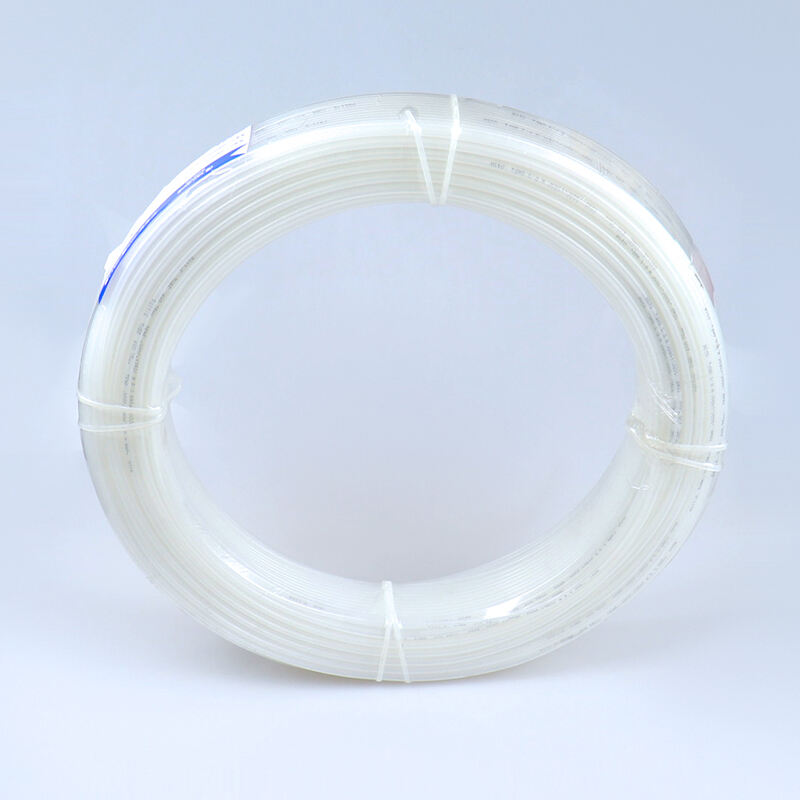
Pneumatic hoses and fittings connect various components of the pneumatic system, allowing compressed air to flow seamlessly between the components. These hoses are often made from durable materials like polyurethane or rubber, designed to handle high-pressure air and resist abrasion. Fittings, such as couplings, quick connects, and elbows, are used to join hoses to other pneumatic parts, ensuring leak-proof connections that are easy to install and maintain.
Applications of Pneumatic Systems
-
Manufacturing and Automation
Pneumatic systems are extensively used in manufacturing, particularly in automation and assembly lines. Actuators, powered by compressed air, can drive robotic arms, convey products, and automate the process of assembling parts. Pneumatic tools such as drills, riveters, and screwdrivers are commonly found in production lines because they offer high power with relatively low cost and maintenance.
-
Transportation and Logistics
Pneumatic systems are employed in transportation and logistics for tasks such as operating brakes on trains and trucks or controlling conveyor systems in warehouses. In particular, pneumatic actuators play a significant role in controlling automated sorting systems that manage goods and materials.
-
Medical Equipment
In the medical field, pneumatic components are used in a range of medical devices. For instance, ventilators use pneumatics to deliver controlled amounts of air to patients' lungs. Pneumatic systems are also employed in dental tools, prosthetics, and patient lifts due to their precision, safety, and reliability.
-
Construction and Mining
Pneumatic tools are invaluable in construction and mining, where jackhammers, pneumatic drills, and impact wrenches are commonly used. These tools deliver high power in rugged environments while being easy to maintain compared to their electric counterparts.
-
Entertainment and Special Effects
Pneumatic systems also find applications in the entertainment industry, where they are used in special effects. For example, pneumatic pistons can be used to simulate explosions or to create complex moving sets in theaters or film productions. The ability to control movement with precision makes pneumatics ideal for these dynamic and creative environments.
Conclusion
Service Processor are integral to many industries, offering efficient, reliable, and cost-effective solutions for a wide variety of applications. From compressors and valves to actuators and filters, each component serves a unique function in the system. Pneumatics are used in everything from manufacturing automation to medical equipment, demonstrating their versatility and importance in modern technology. Understanding the components and applications of pneumatic systems allows industries to harness their full potential, leading to improved performance, safety, and productivity.